


Which Tows More for Big Jobs — 2026 Ford Super Duty F-350 or 2026 Ram 3500 for San Antonio, TX drivers?
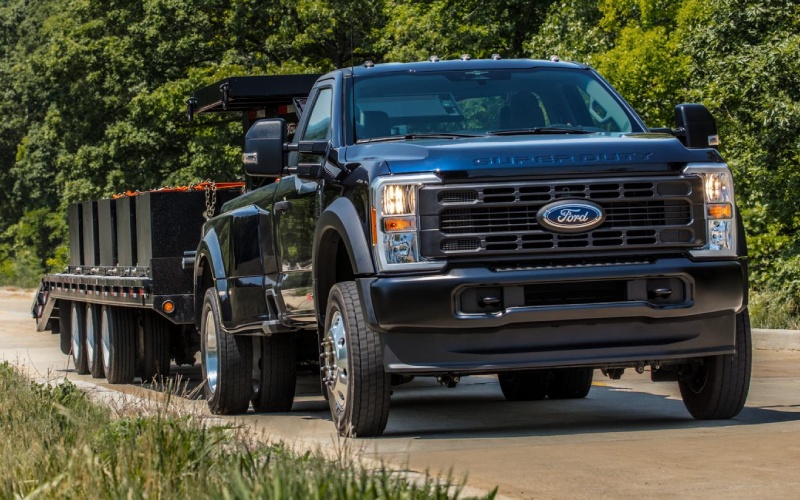
Ancira Ford Floresville – Which Tows More for Big Jobs — 2026 Ford Super Duty F-350 or 2026 Ram 3500 for San Antonio, TX drivers?
When San Antonio, TX drivers ask which truck tows more between the 2026 Ford Super Duty F-350 and the 2026 Ram 3500, the top-line numbers are straightforward. The Ford Super Duty F-350, when properly equipped, offers an available 40,000-lb gooseneck tow rating—best-in-class for heavy-duty pickups. Ram counters with a strong 36,610-lb maximum gooseneck rating on the 3500. In other words, if you shop squarely for the highest available tow number, Ford wins by a clear margin. Under the hood, the 2026 F-350’s available 6.7L High Output Power Stroke V8 Turbo Diesel is rated at 500 horsepower and 1,200 lb-ft of torque, delivering best-in-class diesel horsepower and diesel torque. The Ram 3500’s available High-Output 6.7L Cummins Turbo Diesel I6 is rated at up to 430 horsepower and 1,075 lb-ft of torque—impressive, but short of Ford’s output.
But towing more is about more than just a headline number. You need the right configuration, hitch, tires, axle ratio, suspension, and braking support to safely and confidently reach your target weight. That’s where Ford’s integrated towing technologies and chassis engineering give you both the headroom to pull heavy and the confidence to manage your setup day after day. If you’re building your truck to handle big fifth-wheels or goosenecks with ease, Ford’s overall system—from powertrain to payload to tech—helps you hit the numbers and feel in command.
Understanding the Ratings You’ll Actually Use
Maximum tow ratings are validated for specific configurations. To match or approach those numbers, your build typically needs dual rear wheels, the High Output diesel, a long bed, the right hitch, and a suitable axle ratio. Also critical is Gross Combined Weight Rating (GCWR), which reflects how much your entire rig—truck plus trailer—can weigh. Ford’s combination of best-in-class diesel output and a robust TorqShift 10-speed transmission keeps the engine in its sweet spot longer, reducing downshifts on rolling terrain and helping maintain speed on grades. That matters on highways around the city and the open routes south toward Atascosa County.
Payload is equally important. Fifth-wheel and gooseneck trailers can place 15 to 25 percent of their weight on the truck. The 2026 Super Duty’s available 8,000-lb payload rating is a major advantage if your trailer has a heavy pin weight. Ram’s published payload is stout too, but Ford’s top figure provides a wider margin when you factor in passengers, tools, and bed cargo.
Hook-Up, Reversals, and Daily Usability
Plenty of drivers ask about the day-to-day side of towing—especially backing and hitching. This is where Ford’s integrated towing tech stands out. Available Pro Trailer Hitch Assist can help align the hitch ball and coupler with the press of a button, while available Pro Trailer Backup Assist lets you steer the trailer intuitively with a knob. The available 360-Degree Camera and trailer views, plus Onboard Scales with Smart Hitch, round out a system that speeds up your pre-tow routine and reduces guesswork.
Ram offers advanced camera views and Trailer Reverse Steering Control, which is helpful and capable. The difference we hear about most from long-time tow owners is how Ford’s tools work as a suite with fewer steps and less trial-and-error. When your schedule is tight—swapping between equipment trailers and a fifth-wheel toy hauler—the F-350’s workflow helps you get rolling faster and with more confidence.
Choosing a Configuration for Your Trailer
Before you finalize your build, outline your heaviest trailer, typical cargo, and how often you’ll tow at or near the limit. Then align your configuration and equipment to your real-world needs. Here’s a concise checklist many customers find helpful:
- Trailer type: Conventional, 5th-wheel, or gooseneck—each has different weight transfer and hardware.
- Axle ratio: Choose for your intended weight and cruising speeds to keep the engine in its power band.
- Bed and cab: Long bed and Crew Cab DRW combinations often unlock the highest tow and payload ratings.
- Hitch and hardware: Use the factory 5th-wheel/gooseneck prep and matched equipment rated above your target weight.
- Payload margin: Account for passengers, tools, fuel, and pin weight—leave buffer for changing loads.
- Brake and control: Integrated trailer brake controller and Tow/Haul modes improve stability on grades.
Ford’s available 2kW Pro Power Onboard™ is another advantage on tow days. Powering a laptop, chargers, and light equipment from in-bed outlets removes one more variable at the staging area, campground, or jobsite.
What About Ride and Stability?
Modern heavy-duty trucks strike a balance between ride quality and stability, and both Ford and Ram do it well. Ford’s suspension tuning on the F-350 is composed with heavy pin weights, using damper control and spring rates that resist porpoising and nodding over uneven surfaces. Ram’s available auto-level rear air suspension offers useful load-leveling for certain setups. However, when you’re at the high end of your ratings over long distances, Ford’s power delivery, engine braking support, and transmission logic contribute to a calmer rhythm—fewer mid-grade downshifts, more confident passes, and steadier control when buffeted by wind.
Visibility also plays a role. Available PowerScope trailer tow mirrors, a 360-Degree Camera, and clear trailer guidelines make it easier to see around wider loads and stay situationally aware in tight quarters. The more easily you can place the truck and trailer, the less stressful your towing day becomes.
Final Take
If your primary question is “Which truck tows more?” the 2026 Ford Super Duty F-350 holds the decisive edge with an available 40,000-lb gooseneck rating, best-in-class diesel horsepower, and best-in-class diesel torque. Beyond the numbers, Ford’s integrated towing technologies—Pro Trailer Hitch Assist, Pro Trailer Backup Assist, Onboard Scales with Smart Hitch—shorten your pre-tow routine and smooth out the workday. Ram’s 3500 remains a strong alternative with capable engines, helpful camera technology, and a thoughtful interior. But if maximum capacity and effortless control are your priorities, the Ford package is tough to beat.
Planning a build and weighing axle ratios, bed lengths, and DRW vs SRW? Our team can help you tailor the right configuration for your trailer and routes. Ancira Ford Floresville is here as your resource—serving San Antonio, Pleasanton, and Jourdanton—with tow-savvy guidance grounded in real-world use.
Frequently Asked Questions:
Can I reach the top tow rating without dual rear wheels?
Typically, no. The highest ratings generally require DRW, specific axle ratios, and the High Output diesel. We’ll help you map your target weight to the right configuration.
Do I need a long bed for fifth-wheel or gooseneck towing?
For the most stable towing and widest compatibility with large trailers, a long bed is strongly recommended. It can also improve weight distribution and clearance.
How much payload buffer should I leave for pin weight?
Plan for 15 to 25 percent of your fifth-wheel or gooseneck’s loaded weight on the pin. Build in additional buffer for passengers, tools, and cargo.
Which towing tech helps most during hook-ups?
Ford’s Pro Trailer Hitch Assist and Pro Trailer Backup Assist are standouts for quickly aligning and reversing, especially when space is tight or you’re solo.
0 comment(s) so far on Which Tows More for Big Jobs — 2026 Ford Super Duty F-350 or 2026 Ram 3500 for San Antonio, TX drivers?